
1
Balance & Risk Assessment
Dr. Beyerl screens vestibular function, vision, proprioception, gait, and lower-body strength to identify which systems are contributing to instability. The findings shape your personalized training plan.
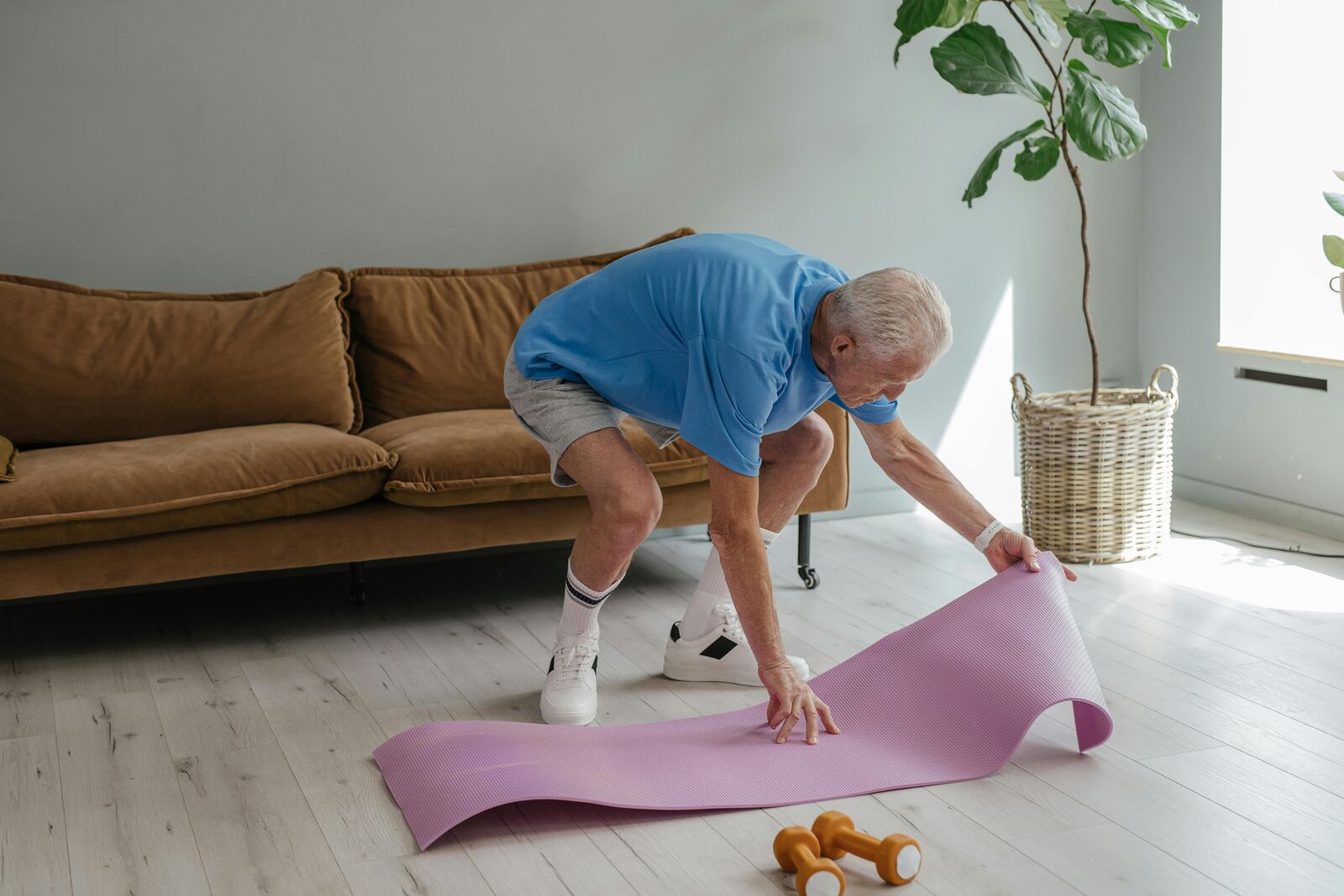
Balance and coordination training to reduce fall risk and help you move through life with confidence.
Falls are not a normal part of aging. They're often preventable. Poor balance, reduced coordination, and declining strength create risk, but targeted training can reverse these changes and restore confidence in your movement.
At The Bridge Chiropractic, fall prevention isn't about wrapping you in bubble wrap or telling you to stop being active. It's about identifying WHY balance is declining and addressing the root causes through evidence-based training.
Dr. Nate Beyerl uses specialized neurological testing to assess your balance system, identify deficits, and create a personalized program that improves stability, coordination, and proprioception, your body's ability to sense where it is in space.
This service is particularly valuable for adults over 55, those who have experienced falls or near-falls, anyone with dizziness or balance concerns, and active adults who want to stay mobile and independent as they age.
A staged program that builds balance, strength, and confidence over time.
Dr. Beyerl screens vestibular function, vision, proprioception, gait, and lower-body strength to identify which systems are contributing to instability. The findings shape your personalized training plan.
Start with the building blocks: vestibular exercises, visual coordination work, and stability drills calibrated to your current capacity. The early weeks focus on safety and consistency.
As balance improves, exercises advance into strength, gait training, and reaction drills. The complexity increases gradually so your nervous system stays ahead of the demand without overload.
The final stage transfers your gains to daily situations: uneven ground, stairs, dual-task walking, and quick directional changes, so you move confidently in the environments that matter most.
"I just had an intro assessment with Dr. Nathan Beyerl and he immediately impressed me. He took the time to really understand what was going on with my lower back and explained everything in a clear, straightforward way. The adjustment and treatment he did made an instant difference. Walked out feeling noticeably better."
"I can't say enough good things about Dr. Nathan at Bridge Chiropractic. He is absolutely incredible and truly gifted at what he does. I came to him with a level 2 MCL injury, and thanks to his expertise, care, and guidance, I'm now able to function and go about my daily activities with ease."
"I've seen many different chiropractors over the years, but my first consultation with Nate at Bridge Chiropractic gave me more relief than I've experienced in the last six months combined. Beyond that, he took the time to uncover and explain root issues that no one had ever addressed before."
Reduce fall risk and maintain your independence with personalized balance training.